


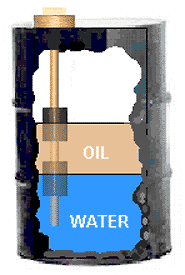
Interface level switches are used to monitor the level of two liquids with different specific gravity values. When two different liquids are contained within the same tank, but are unable to mix with each other, an emulsion layer forms and creates a barrier between the two liquids. When two insoluble materials mix, the liquid with the heavier molecules will sink to the bottom while the lighter ones will stay on top, oil and water is perfect example of this.
Underground cement basins, wash pits, or any area that collects runoff of different liquids will often need to be pumped out. In the case of oil and water, the float on an interface liquid level sensor will sink through the oil but float on the water level allowing clear indication of the interface level. This can allow pumps to siphon off the oil to be reclaimed or recycled. Other applications use water or steam to help extract and clean the oil that comes from a well, and can even be used to help transport it. However the water must then be separated through a process appropriately called separation. Separation is used to remove the additives, solvents, catalysts, impurities, etc. Interface float level switches are critical to the operation of these difficult applications.
When the liquid level in the tank reaches the float switch, it pushes the float up. A magnet located inside of the float then causes the contacts of the internal reed switch located inside of the stem to close. When the contacts close it completes the circuit connecting power to the alarm. It works the same way for low level alarms, when the float drops down it completes the circuit activating the alarm.
These alarms can be activated with standard single level float switches or made to order multi level float switches. The float switches come in different materials and sizes to adapt to almost any tank. The alarms are offered in various different voltages and are available with audible, visual, or both audible and visual indication.
*certain configurations available over 12 feet – call to discuss.