FLOAT SWITCHES

American Made Float Switch Manufacturer

Innovative Components has built float switches in Southington, Connecticut since 1992. Stem lengths, float materials, thread sizes, and lead wire lengths are set per order, so a switch that appears in no catalog is still a normal order here.

Float switches are also called float sensors, float level sensors, or liquid level float switches. Same device: a buoyant float travels on a stem, a magnet inside the float passes a sealed reed switch, and the contacts open or close at a fixed point. Whichever term is on your drawing, the specs that decide the part number are the same, and they are covered below.

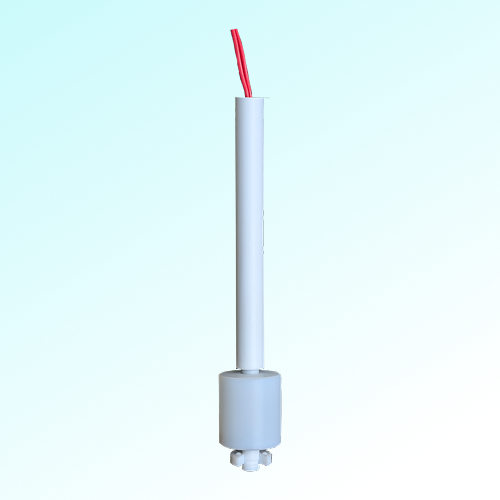
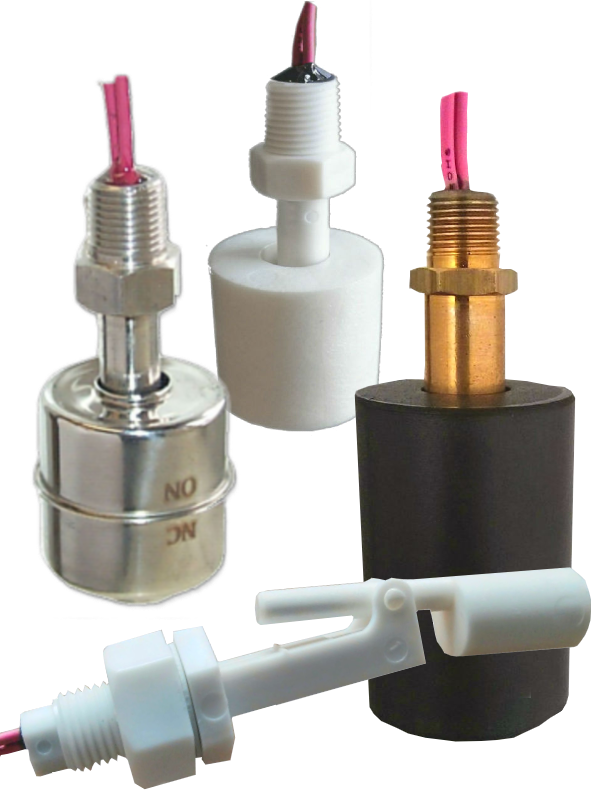
Standard Single Level Float Switch

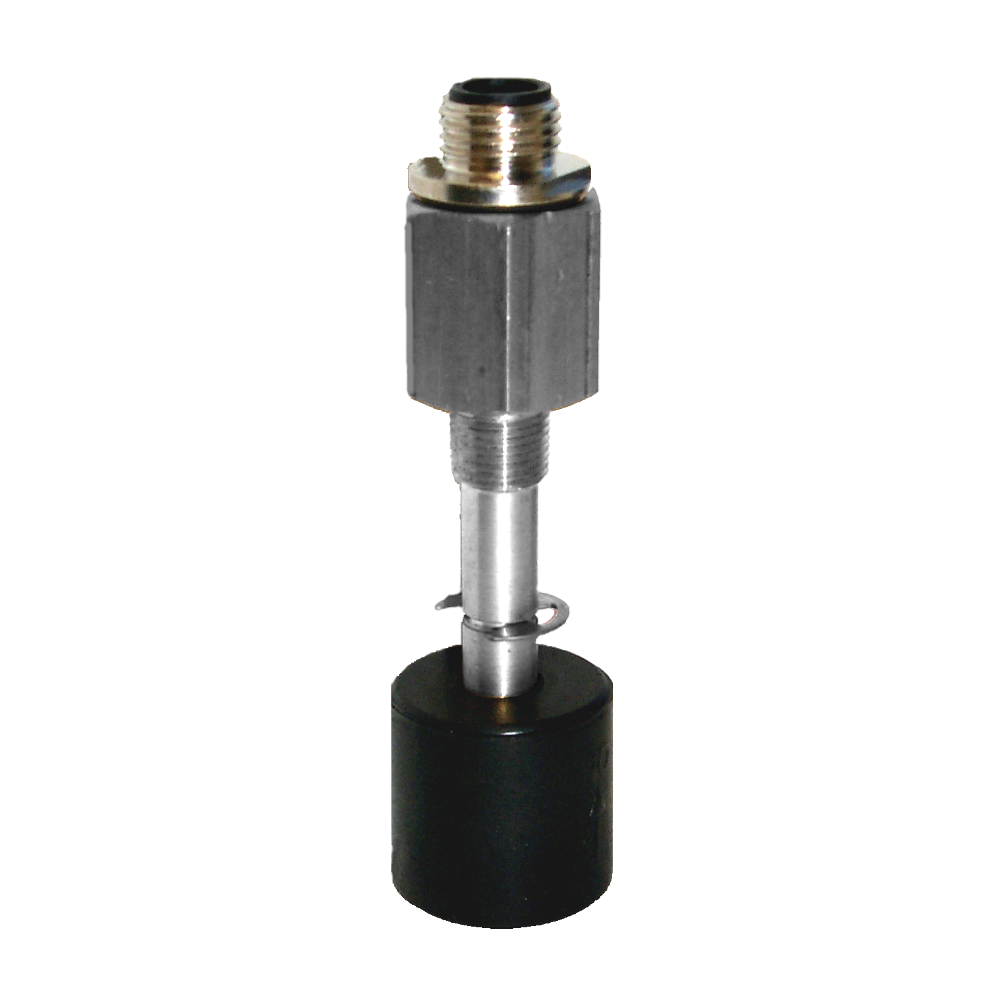
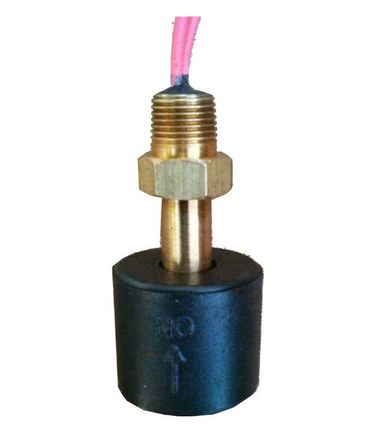
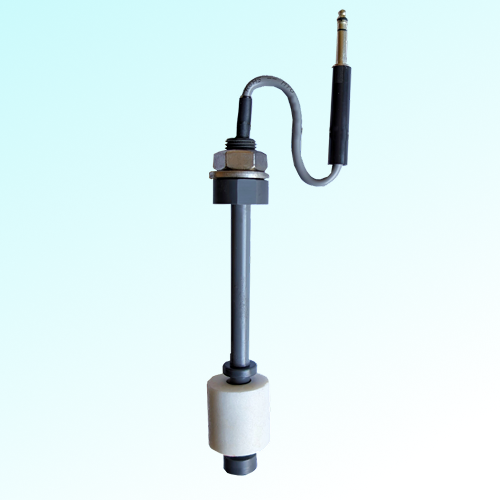
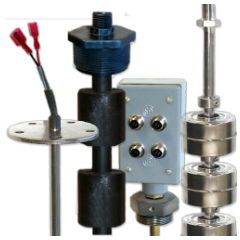
We offer a wide variety of vertical and horizontal liquid level float switches, available in all stainless steel, stainless steel and buna, or plastics such as PVC, polypropylene, or PTFE. These versatile switches can be used in conjunction with high and low level alarms or control switching. There are many different threaded mounting options, reed switch choices including single pole single throw and single pole double throw, customizable lead wire lengths. These economical single point floats are a great choice for OEM’s and are often in stock and quick to ship.
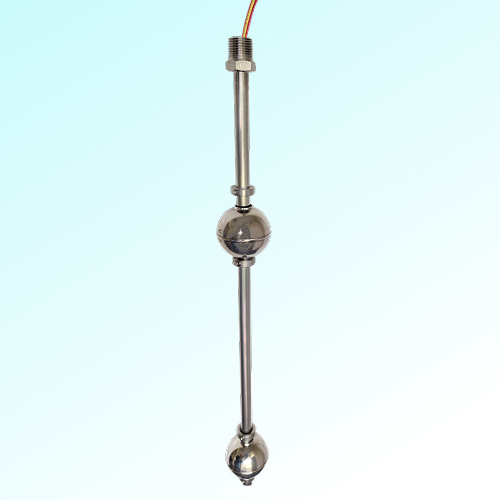
Custom Multi Level Float Switch

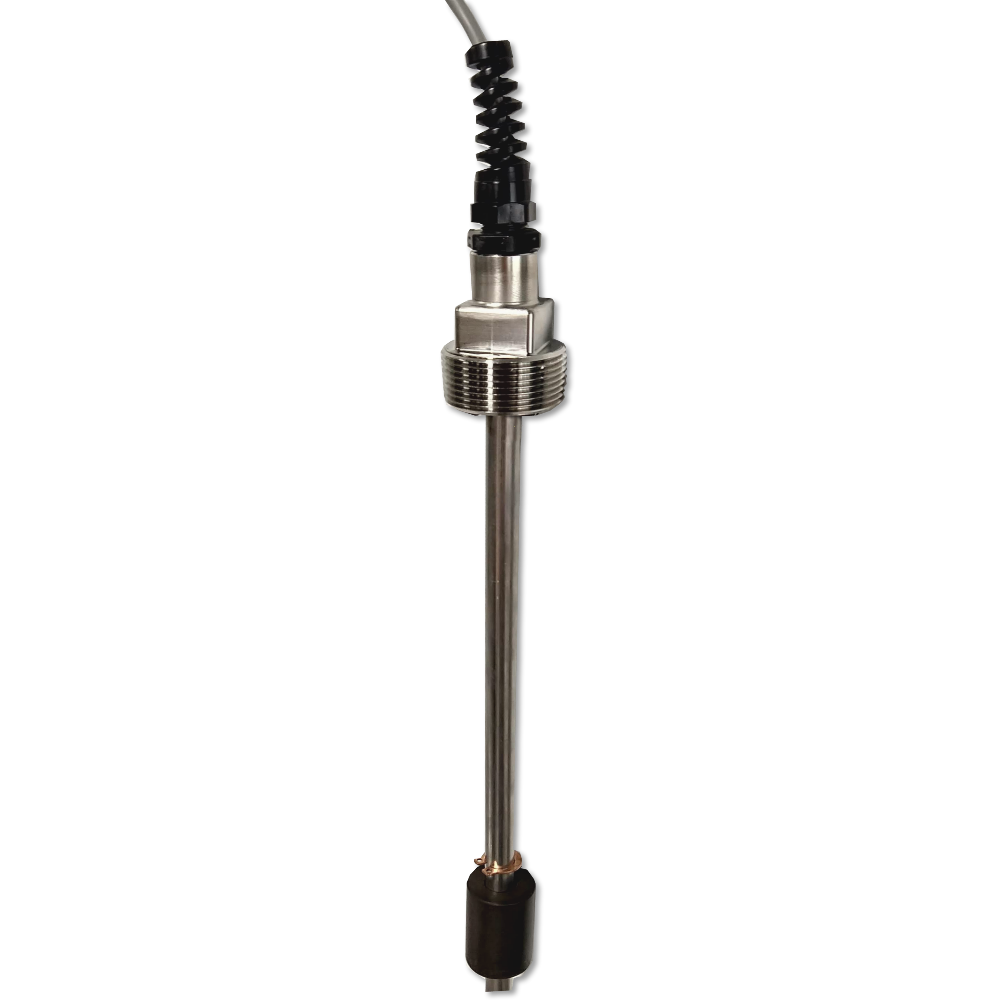
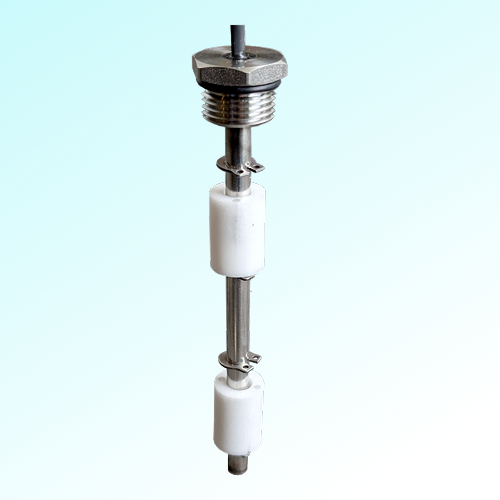
We specialize in custom made to order multi-level float switches, let us know your specific application and we will make a float sensor to your specifications. These sensors are ideal for monitoring multiple switch points, controlling pumps & valves, warning of high or low level alarms, and indicating tank levels. With the ability to be made from various materials with a vast choice of threading mounting options, our engineers will work closely with you to create the exact liquid level float switch for your application needs.
Liquid Level Indicators & Tank Gauges

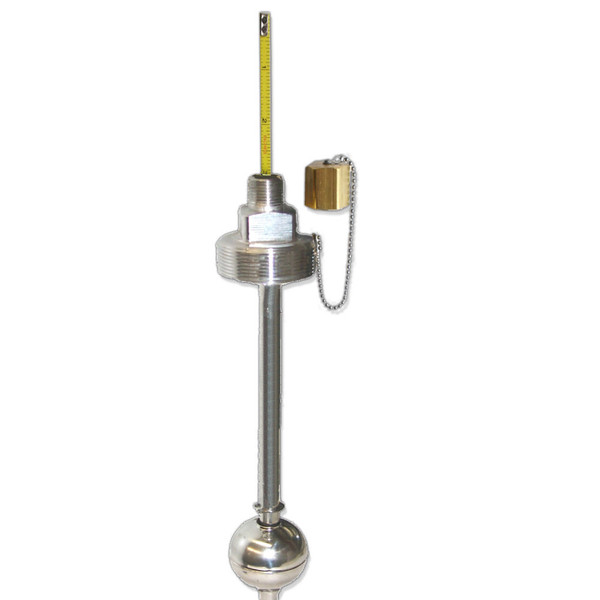
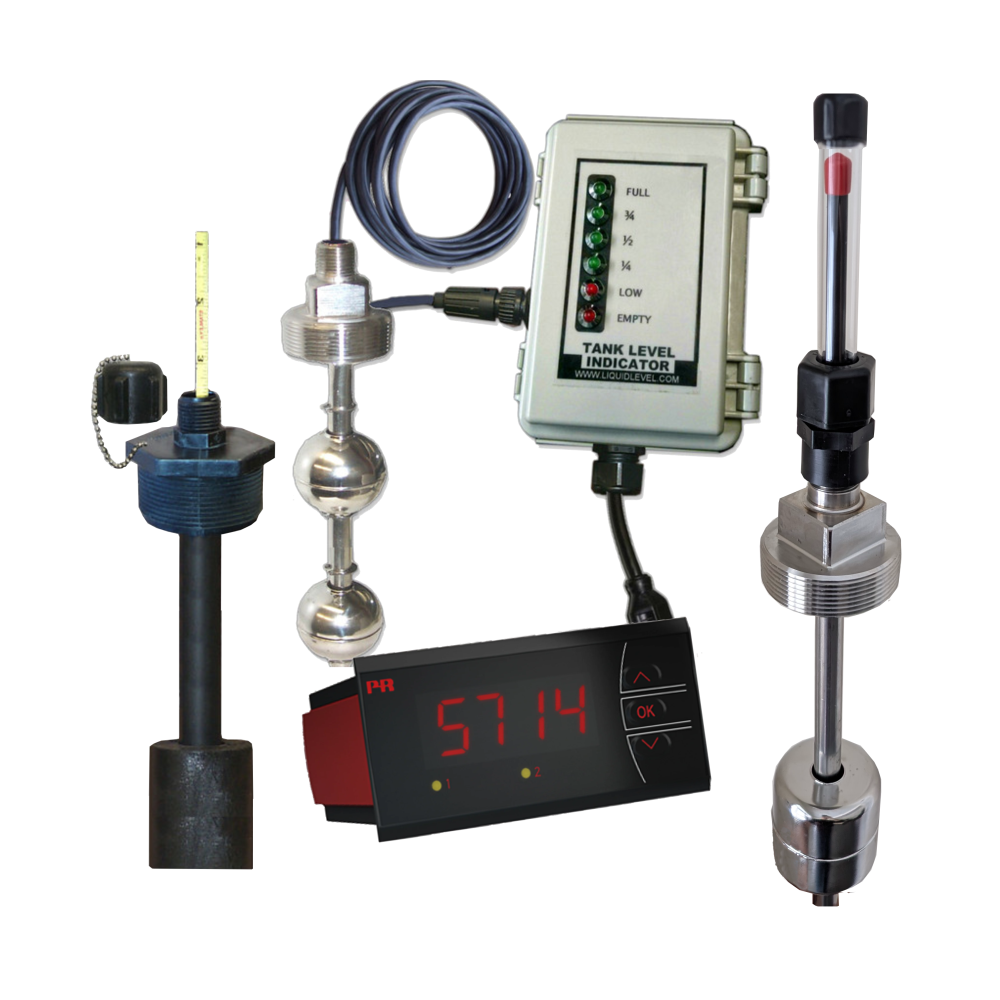
When you need to read how much liquid is in a tank rather than switch at a set point, our liquid level indicators and tank gauges cover the range. Choose the mechanical tape measure indicator for an exact reading with no power at the tank, the LED multi-point indicator for full-to-empty at a glance, the continuous monitor for precise tracking down to a quarter inch, or the ultrasonic sensor for non-contact measurement in tanks up to 30 feet deep. Available in materials matched to your fluid and mounting.
Speciality Level Sensors

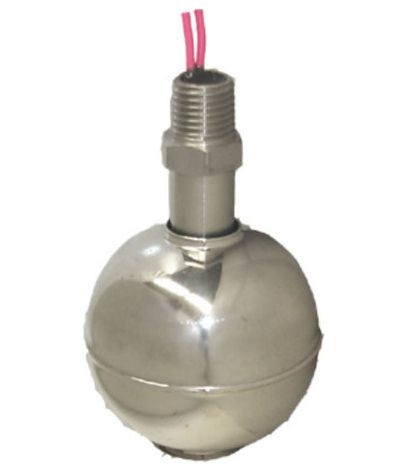
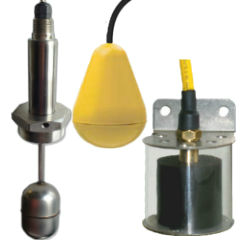
We offer a variety liquid level sensors including low water conductive and sump pump style float switches. Our specialty floats are made for difficult or demanding applications such as high temperatures, thick or sticky liquids, high turbulence, or difficult mounting. These sensors can be customized and are available in a variety of materials. When a traditional float type level switch doesn’t meet your needs, a specialty float may be exactly what you are looking for.
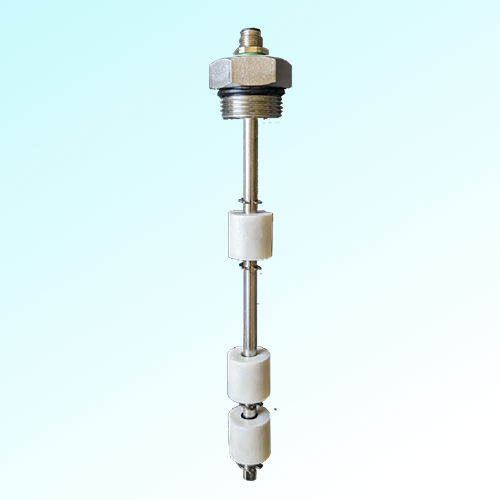
Field Assembled

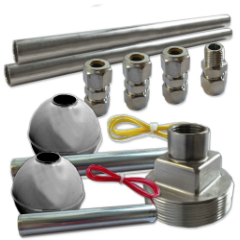
Field assembled float switches are a great choice if you need to customize a sensor in the field or you need it fast and cannot wait for a custom made to order float switch. The complete kit comes with everything needed for a two level sensor, if you require more than two levels additional fittings and switch points can be purchased separately. These versatile float switches are available in brass & buna or stainless steel and are a good choice for many different applications.
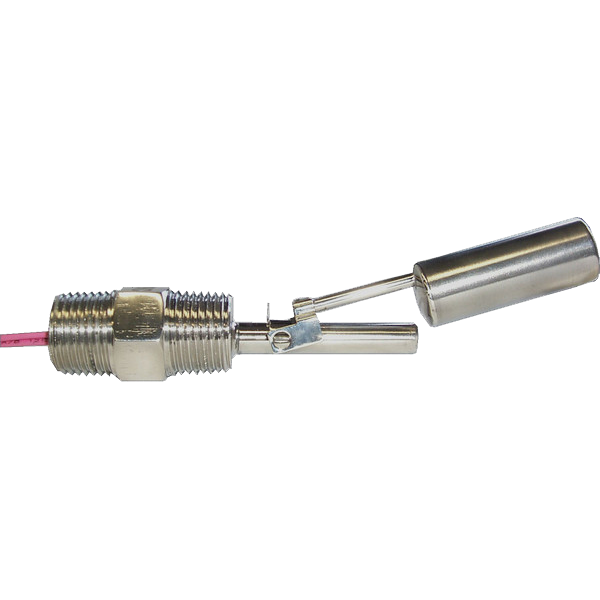
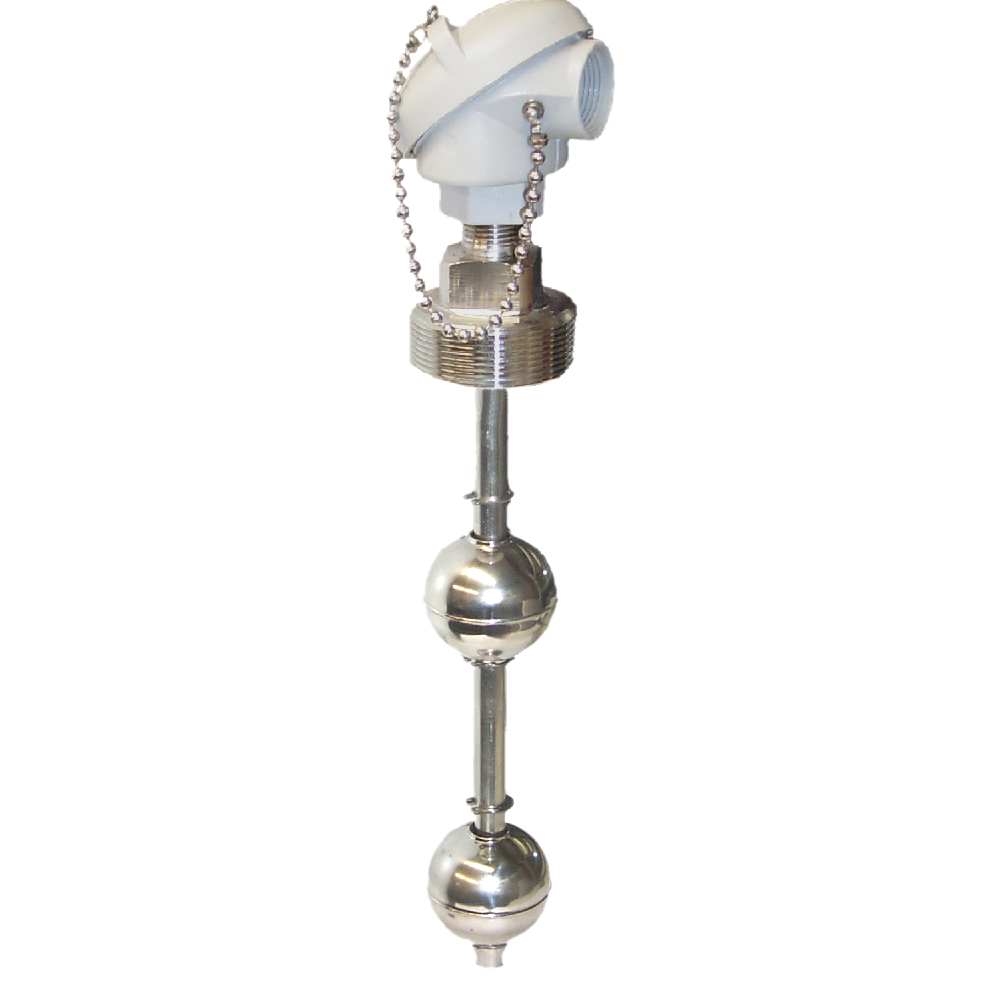
Featured Float Switches

How to Spec a Float Sensor

Most of what makes a float switch right or wrong for an application comes down to five decisions. Have these ready and a configuration usually takes one conversation.

Wetted material

The float and stem sit in the fluid for the life of the equipment, so material compatibility drives everything else. Stainless steel handles most process fluids, fuels, and higher temperatures. Brass and buna is the economical choice for oil, hydraulic fluid, and water in non-corrosive service. PVC, polypropylene, and PTFE cover chemicals that attack metal. If you are unsure what the fluid does to a given alloy, send the fluid name and concentration and we will check it against what we have run before.

Mounting orientation and thread

Vertical float sensors drop in from the top of the tank and the float travels along the stem, which is what you want when the switch point has to sit at a specific depth or when you need more than one level on a single unit. Horizontal float switches thread through the tank wall at a fixed height and are simpler for single-point work, but they need clear travel space between the float and any wall, baffle, or heating element. Thread size and type are specified per order.

Switch point location

Measure from the mounting face to each level you need to detect. That measurement sets stem length on vertical units and mounting height on horizontal ones. On multi-level sensors, also confirm the minimum spacing between adjacent points, since float diameter sets how close two switch points can physically sit.

Contact configuration

Reed switches are available single pole single throw or single pole double throw, and the same switch can usually be installed for normally open or normally closed action depending on float orientation. Say what should happen when the fluid reaches the level, not just which contact form you want, and the orientation gets handled at build.

Electrical rating and what you are switching

Reed contacts are rated in volt-amps, and the ratings across the standard line generally run from around 10 VA up to 100 VA depending on the model. That is signal-level or small pilot duty. A float sensor should not directly drive a pump motor or a solenoid valve of any size. It switches a relay, and the relay drives the load.

There is a second reason for the relay. A single float switch can handle a cutoff or an alarm at one level, but it cannot run a two-point fill or drain cycle on its own, because the contacts change state only while the float is at that level. A defined start and stop cycle needs two float switches feeding a dual-level control relay: the first switch energizes the relay, and it latches until the second switch is reached.

Custom Float Sensors and Multi-Level Assemblies

Every unit below was built to a customer drawing. Multi-level float sensors combine two or more switch points on a single stem, which saves tank penetrations and holds the spacing between points to a fixed dimension. Stem length, float size and material, switch point positions, thread, and lead length are all specified per order, with no minimum quantity.

Water Level Float Switch Applications

Water looks like the easy case and is not. Municipal water, process water, condensate, chilled water, and deionized water all behave differently against the same materials, and a water level float switch that runs for a decade in one of them can fail in a year in another.

Hard water and scale. Mineral deposits build on the stem and inside the float bore, and a float that cannot travel freely stops reporting. Stainless steel stems shed scale better than plastic and clean up without damage. In known hard water, plan on periodic inspection of float travel rather than assuming a set-and-forget install.

Deionized and treated water. DI water is aggressive toward some metals and will pull ions out of brass. Polypropylene, PVC, and PTFE float sensors are the usual answer. Chlorinated and chloraminated water attacks certain stainless grades under stagnant conditions, so tell us the treatment chemistry and not just “water.”

Potable service. Material selection is a compliance question before it is an engineering one. Confirm the requirement with us before specifying, since brass and buna is common in general water service and is not the right choice everywhere potable water is involved.

Cooling towers, makeup, and condensate. These are the classic two-point applications: a low level starts makeup, a high level stops it. Two switch points and a dual-level control relay, as covered above. A single point works for a low-water cutoff or a high-level alarm on the same tank.

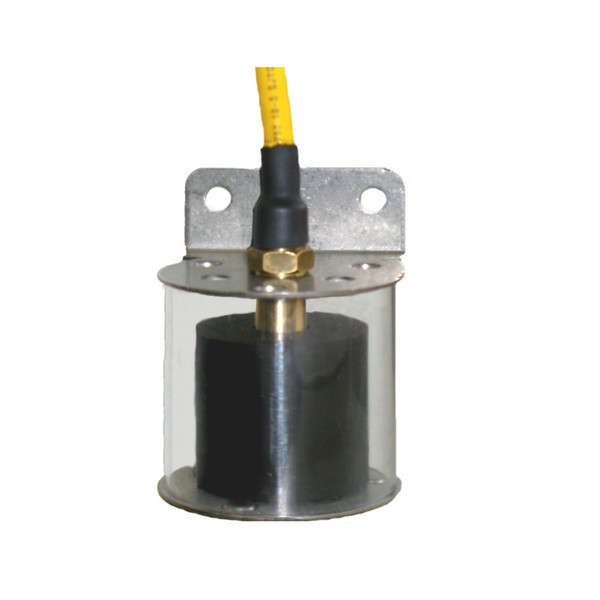
Sumps, pits, and bilges. Turbulence and debris are the failure modes, not chemistry. Shielded and bracket-mounted designs keep the float clear of moving water and floating solids. The bilge water level switch uses a shielded body and a stainless bracket for exactly this reason.

Send the fluid, the tank dimensions, the level points, and what the switch is driving. That is enough to get to a part number.

frequently asked questions

What does a float switch do?

A float switch detects when liquid reaches a specific level in a tank or vessel and changes the state of an electrical contact at that point. That signal starts or stops a pump through a relay, opens or closes a valve, triggers a high or low level alarm, or feeds level status into a control system. It is a point-level device, so it reports whether liquid sits above or below a set height rather than a continuous measurement. For a continuous reading, use a level indicator or gauge.

Yes. Float sensor, float level sensor, and liquid level float switch all describe the same buoyancy-operated device. “Sensor” tends to appear on engineering drawings and BOMs, “switch” more often on electrical schematics, and neither term implies different construction. The distinction that does matter is point level versus continuous: a float sensor reports discrete levels, while a continuous sensor reports an analog value across the full tank height.

The float contains a magnet and travels freely on a stem as the liquid level changes. A sealed reed switch inside the stem sits at the target level. When the float reaches it, the magnetic field closes the reed contacts and the circuit signals that the level has been reached. When the float moves away, the contacts return to their resting state. Nothing in the fluid path is powered and no moving electrical parts contact the liquid, which is why the design holds up in long service.

Yes, usually for one of four reasons. Material mismatch causes corrosion or swelling that binds the float. Sediment, scale, or product buildup restricts float travel, which is the most common failure in hard water service. Physical damage to the stem or float, often from turbulence or from something dropped into the tank, restricts movement. And exceeding the contact rating pits or welds the reed contacts, which is why a float sensor should switch a relay rather than a load directly. A float that no longer moves freely on the stem is the first thing to check.

Not on its own. A single switch point changes state at one level, so it holds a cutoff or an alarm but cannot define a start level and a separate stop level. Two switch points feeding a dual-level control relay give you that band. The two points can be two separate switches or two levels on one multi-level float sensor.